
Webinar
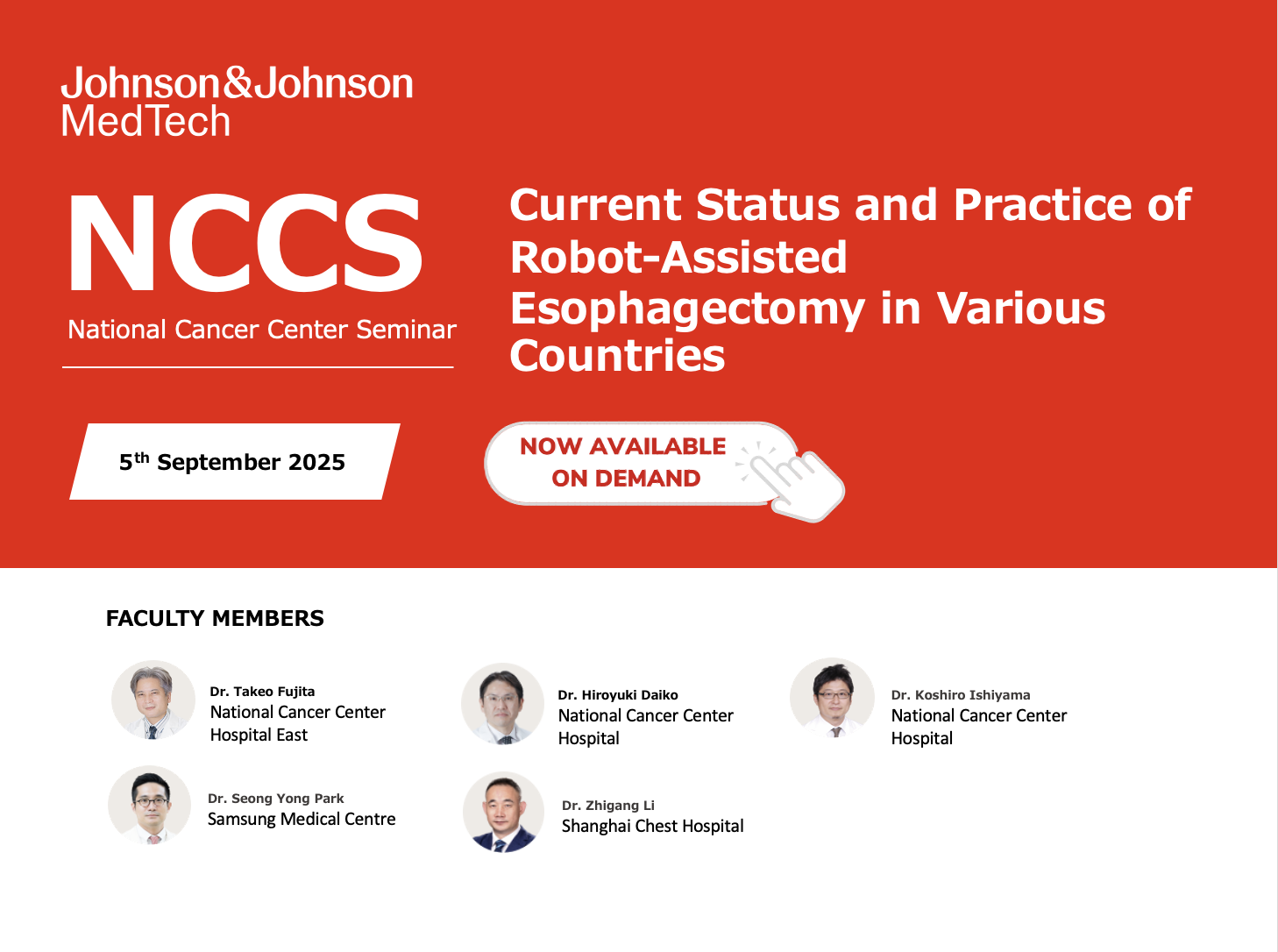
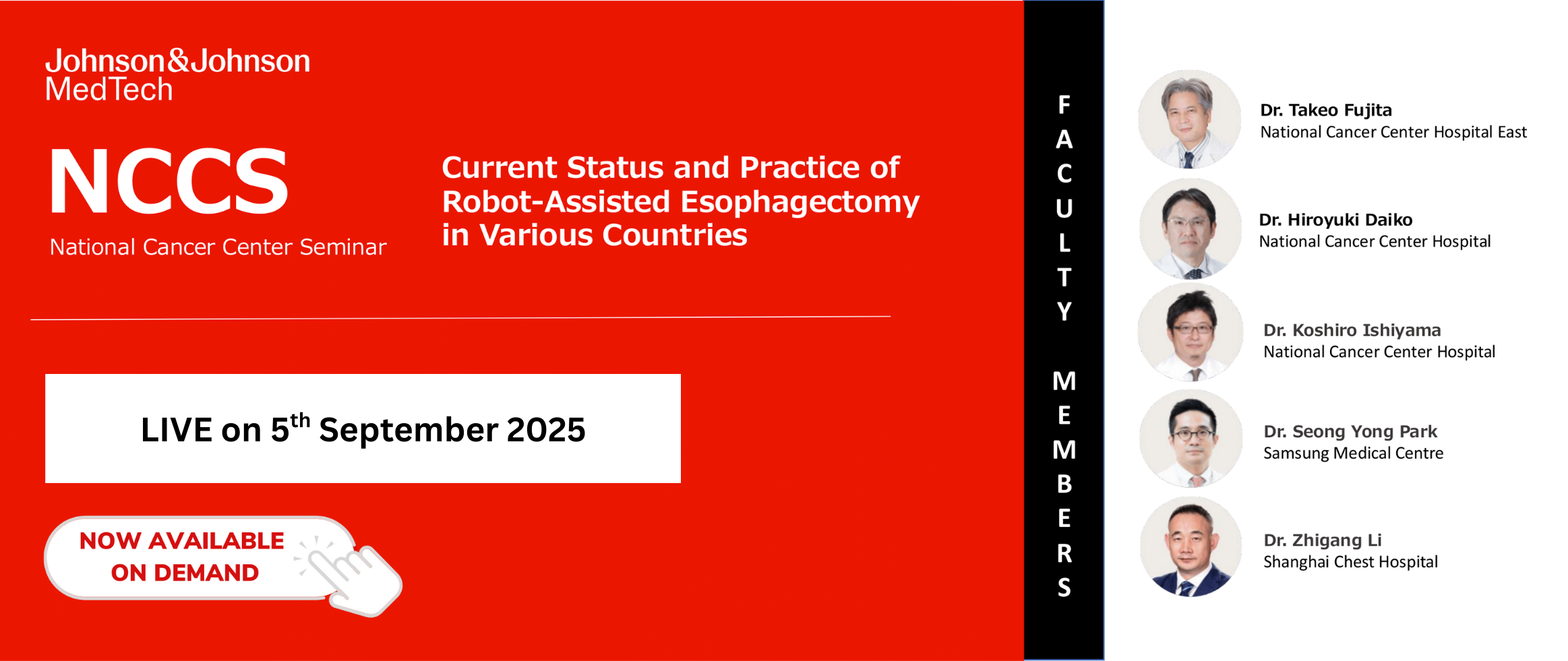
This webinar will bring together the latest trends from Japan, Korea and China, exploring innovations and the future of robot-assisted esophagectomy, which is gaining global attention. Leading specialists from each country will share cutting-edge insights and clinical updates.

This webinar will focus on the techniques for rectal anastomosis and lateral lymph node dissection while considering the current status of TNT in various Asian countries. We hope that this seminar will serve as an excellent opportunity to deepen the understanding of the current state of multidisciplinary treatment in various Asian countries and provide insights into solving challenges faced during actual surgical procedures.
Video
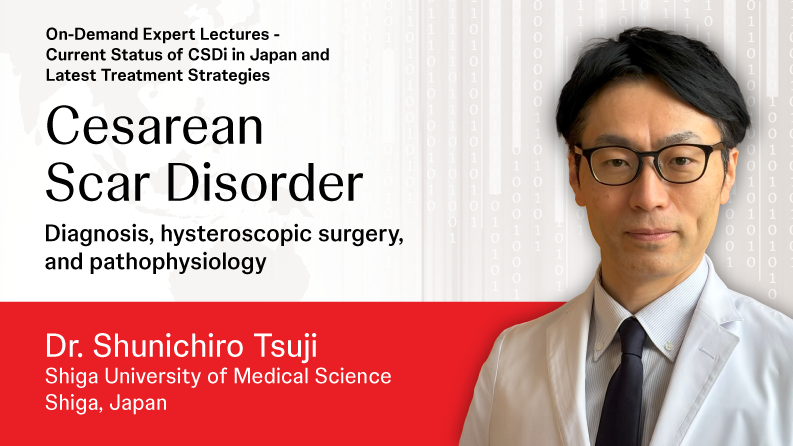
Niche formation caused by cesarean section is defined as cesarean scar defect (CSD) if its depth exceeds 2 mm. CSD may cause various gynecological symptoms, such as postmenstrual spotting, dysmenorrhea, and secondary infertility. The disease presenting these symptoms has been named cesarean scar disorder (CSDi).
We have performed endoscopic surgery for 201 cases of CSDi. Both hysteroscopic and laparoscopic surgeries have been performed. Hysteroscopic surgery is considered to be less invasive, however, the choice of surgical procedure based on clinical outcome has not been reported. Therefore, we retrospectively reviewed our hysteroscopic surgery for CSDi patients with secondary infertility and can find the indication for those patients.
In this presentation, I will present the diagnosis of CSDi and the indications and efficacy of hysteroscopic surgery. In addition, the pathophysiology of CSDi and why fertility is reduced will also be presented.
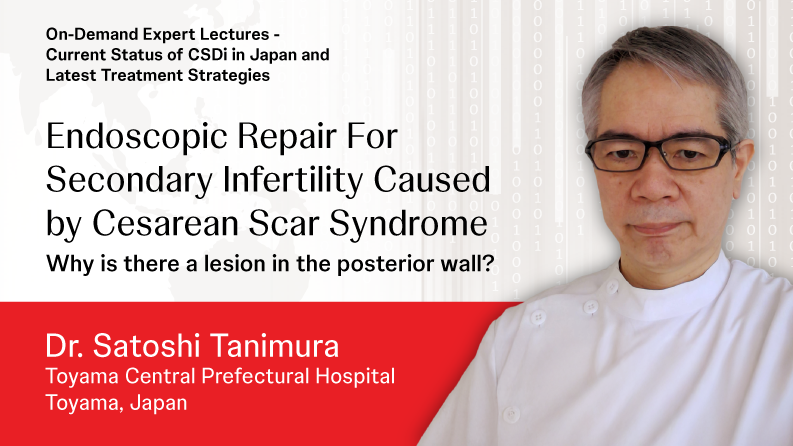
The endoscopic repair for secondary infertility due to cesarean scar syndrome emphasizes the importance of the mechanism behind the formation of posterior wall lesions. Our institution performs endoscopic surgery for cesarean scar syndrome, with the choice of surgical procedure primarily determined by the presence of hematoma. Possible causes of bleeding include the entrapment of menstrual blood in the scar, detachment of the endometrium, and association with adenomyosis. Specifically, in cases where a hematoma forms, endometrial glands and stroma have been observed in 25% of the removed scars, suggesting that the weakening of the uterine fascia may contribute to this phenomenon.
The formation of posterior wall lesions is thought to be related to prolonged pressure exerted by the infant's head, progressing in two stages. Initially, there is the invasion due to prolonged stretching, followed by the potential for new lesions arising from emergency cesarean sections. Preoperative hysteroscopy can make it difficult to accurately diagnose posterior wall lesions, necessitating selective excision.
In conclusion, there remain unresolved issues concerning the surgical indications and methods for CSDi, highlighting the need for further research.
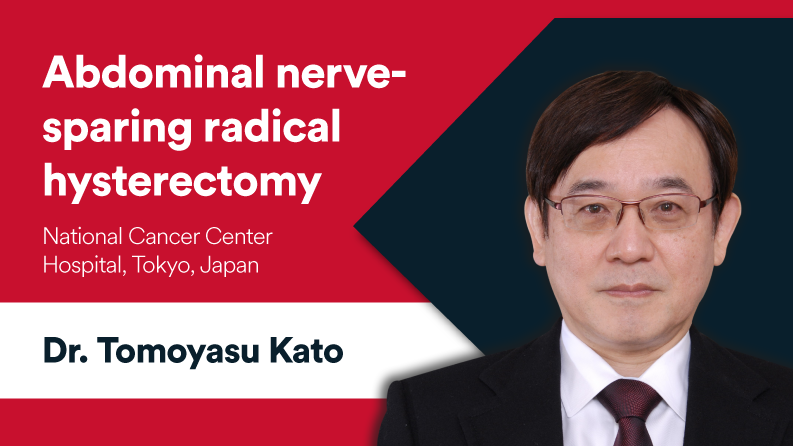
In general, radical hysterectomy involves extensive resection, which can lead to urinary dysfunction affecting quality of life (QOL).
In this case video, Dr. Tomoyasu Kato concisely summarizes and explains the key points of nerve-sparing radical hysterectomy, which preserves pelvic nerves and minimizes bladder dysfunction.