Video List
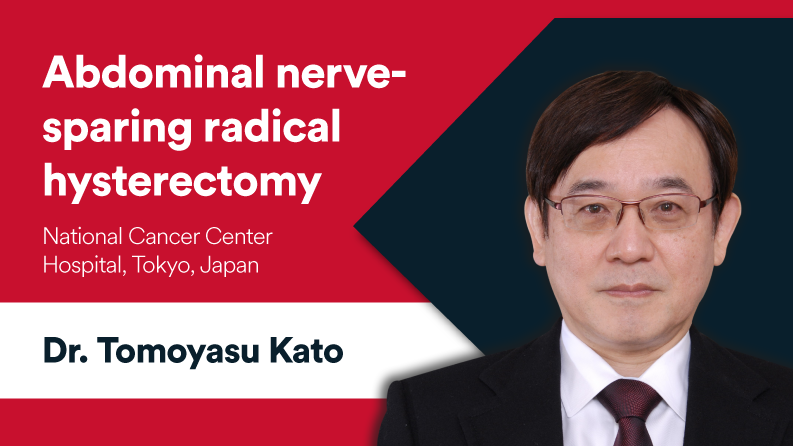
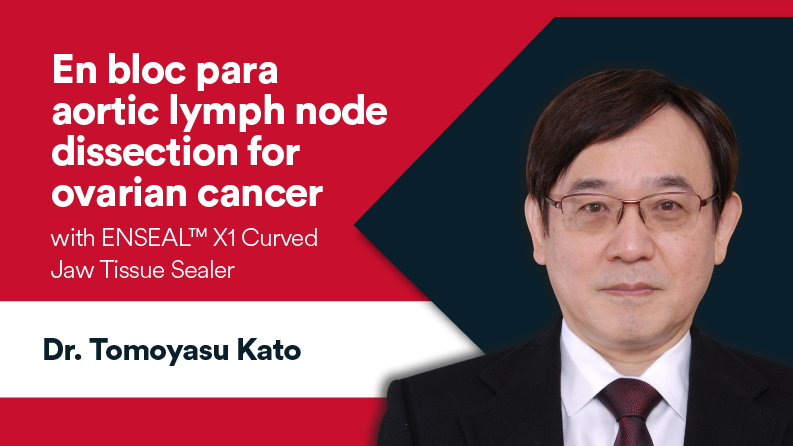
In general, radical hysterectomy involves extensive resection, which can lead to urinary dysfunction affecting quality of life (QOL).
In this case video, Dr. Tomoyasu Kato concisely summarizes and explains the key points of nerve-sparing radical hysterectomy, which preserves pelvic nerves and minimizes bladder dysfunction.
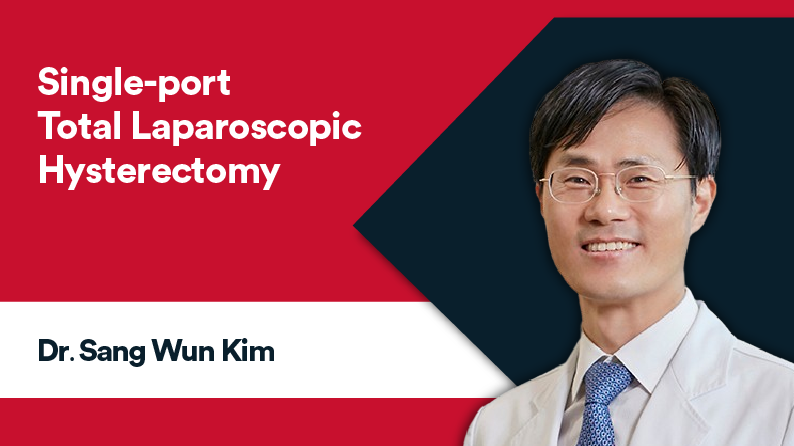
In this video, Prof. Kim demonstrates a single-port total laparoscopic hysterectomy using ENSEAL X1, emphasizing its surgical effectiveness, procedural approach, and the setup required for single-port surgery. Gain valuable insights from experts on mastering this specialized technique for a safe and efficient procedure.
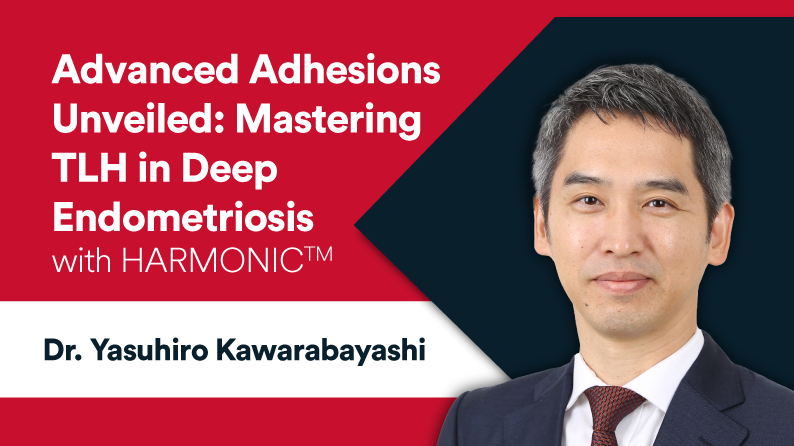
Delve into the intricacies of tackling deep endometriosis as this video unveils advanced adhesion management in Total Laparoscopic Hysterectomy (TLH) with the precision of harmonic technology. Join the mastery with insights from the experts in this specialized surgical approach.
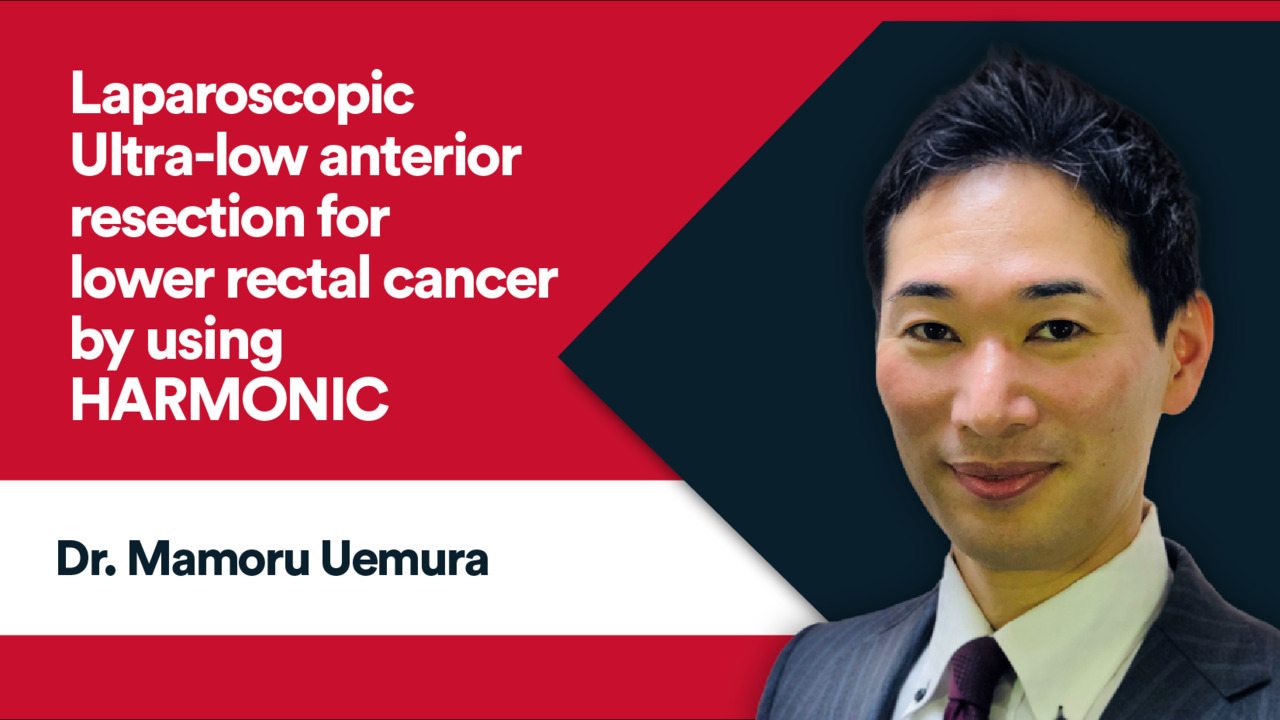
In this video, Dr. Uemura presents on a case for ultra low anterior cancer and tumor 3cm from the anal verge and 1 cm from dentate line. The content of this video includes:
-
The anatomical landmarks for pelvic organs, facia around rectal and the nerves location.
-
Tips on how to use harmonic safely for this procedure.
-
3D Surgical Video of lymph node dissection (IMA dissection).
-
Mobilization of descending colon
-
Rectal mobilization and dissection with care while avoiding nerve damage
-
Technique of TME completion
-
Rectal resection by using the 45 mm Endo cutter with two fires
Embark on a comprehensive journey with Associate Professor Lam. A/Prof Lam provides a foundational overview and sets the stage for understanding the harmonic procedure's role in effectively addressing Endometriosis.
Join Associate Professor Lam in this informative video as he guides you through the harmonic procedure for surgical management in Endometriosis. Case Study 1 provides a real-world insight into effective treatment strategies.
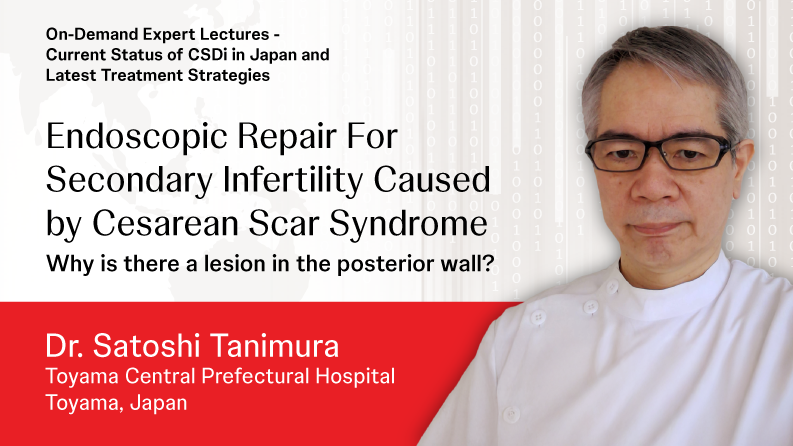
The endoscopic repair for secondary infertility due to cesarean scar syndrome emphasizes the importance of the mechanism behind the formation of posterior wall lesions. Our institution performs endoscopic surgery for cesarean scar syndrome, with the choice of surgical procedure primarily determined by the presence of hematoma. Possible causes of bleeding include the entrapment of menstrual blood in the scar, detachment of the endometrium, and association with adenomyosis. Specifically, in cases where a hematoma forms, endometrial glands and stroma have been observed in 25% of the removed scars, suggesting that the weakening of the uterine fascia may contribute to this phenomenon.
The formation of posterior wall lesions is thought to be related to prolonged pressure exerted by the infant's head, progressing in two stages. Initially, there is the invasion due to prolonged stretching, followed by the potential for new lesions arising from emergency cesarean sections. Preoperative hysteroscopy can make it difficult to accurately diagnose posterior wall lesions, necessitating selective excision.
In conclusion, there remain unresolved issues concerning the surgical indications and methods for CSDi, highlighting the need for further research.
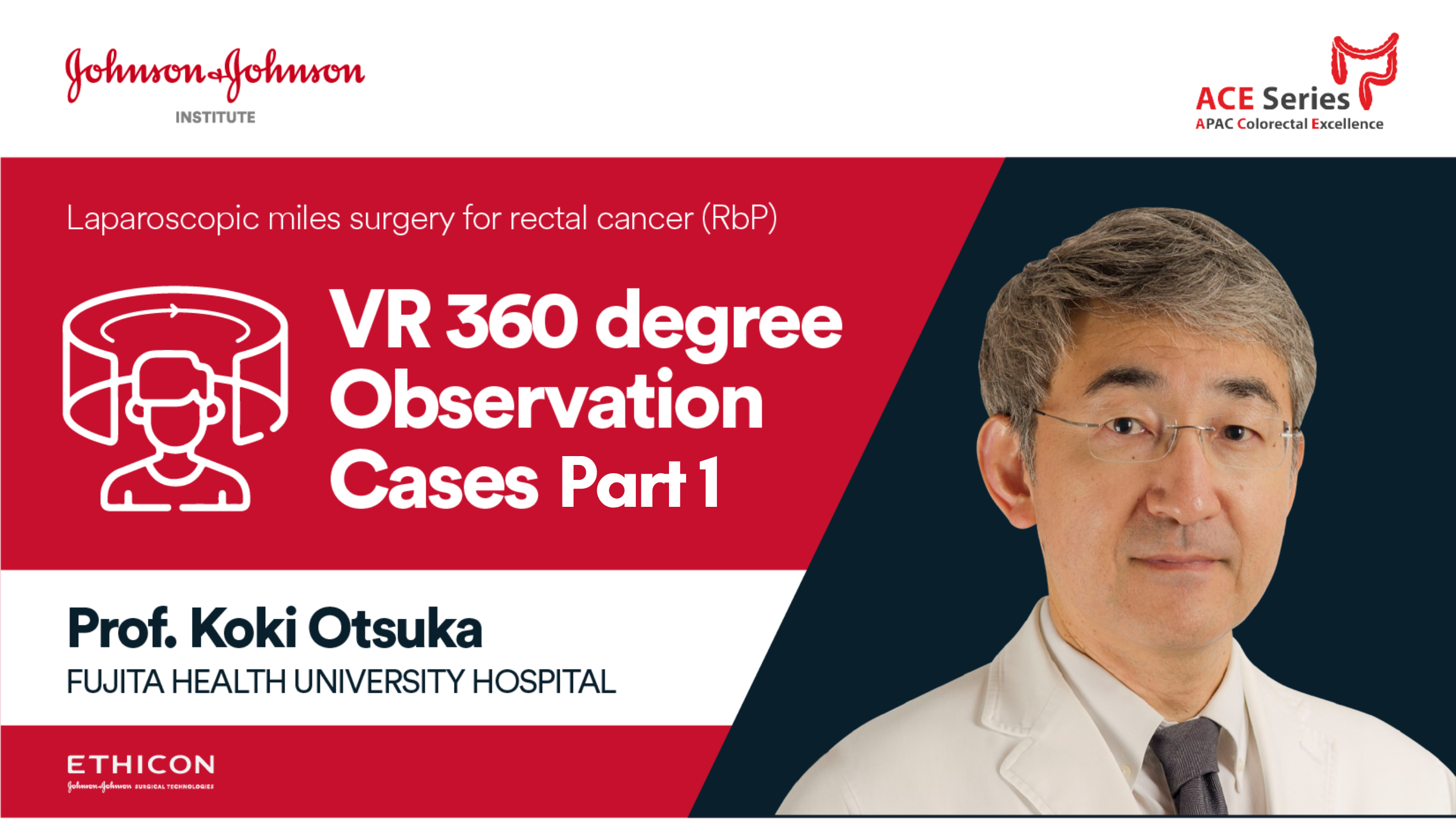
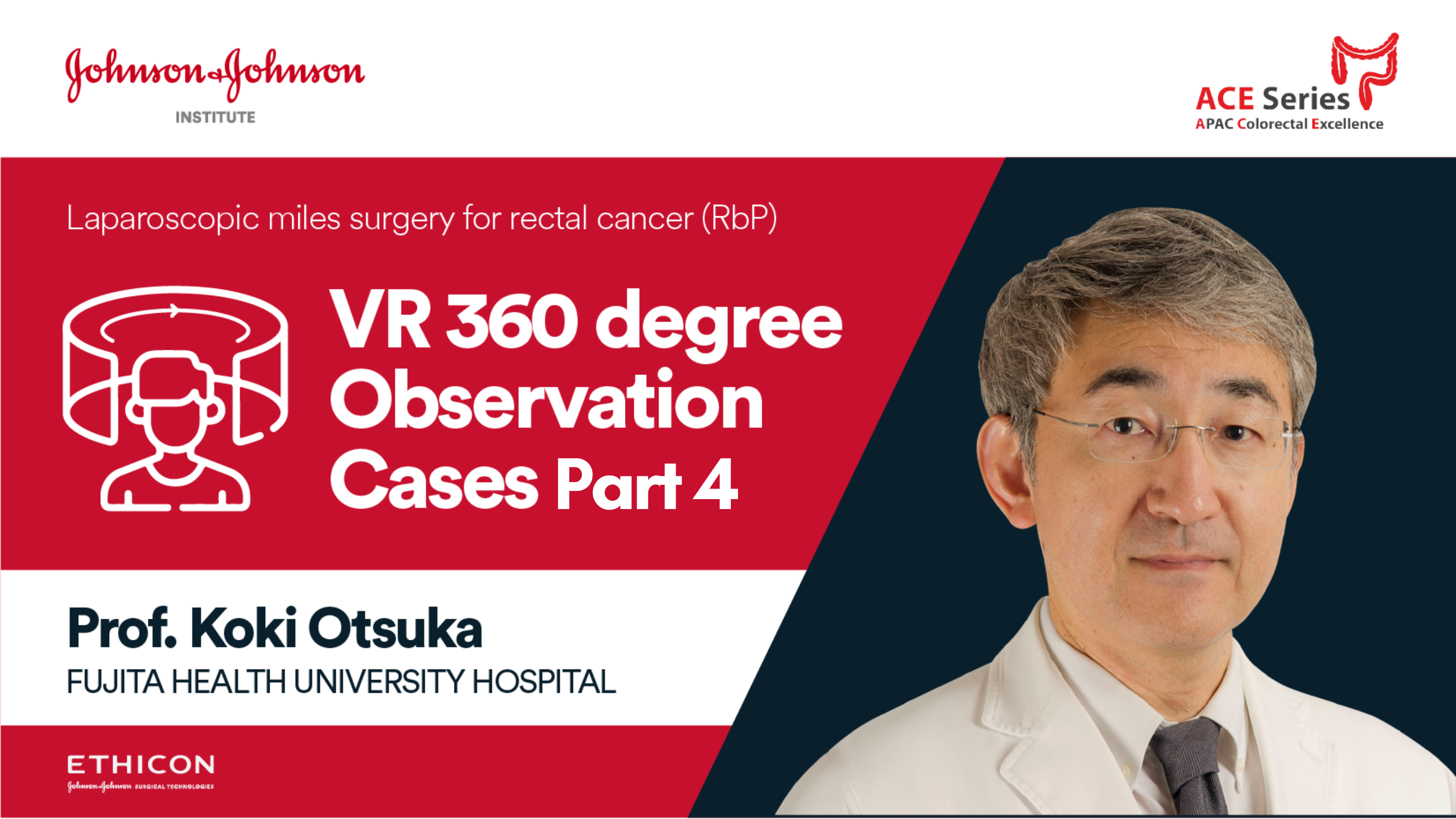
In this "virtual reality (VR) surgery observation" 360-degree video, audience can observe external images such as the positions of the surgeon, assistant, and scopist and hand movements from all angles, even more than actual on-site observation. The case presented is a laparoscopic low anterior resection for rectal cancer (RbP), and it includes perineal operations that cannot be imagined from just observing the intra-abdominal images.
Case: 65-year-old female with BMI of 21.0
Blood loss: 34ml
Postoperative course: No complications such as urinary obstruction, discharged on the 17th postoperative day.
This video is presented in Japanese
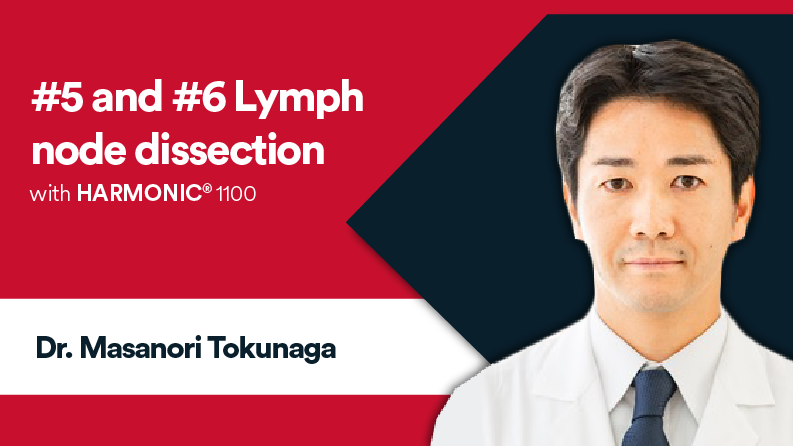
In this video, Dr. Tokunaga covers on the principle of performing lymph node dissection as well as the proper technique to use Harmonic efficiently. This video also covers on:
-
#5 and #6 lymph node direction
-
The anatomy of the surgical procedure (Pancreas, Duodenum and Gastro epiploic artery)
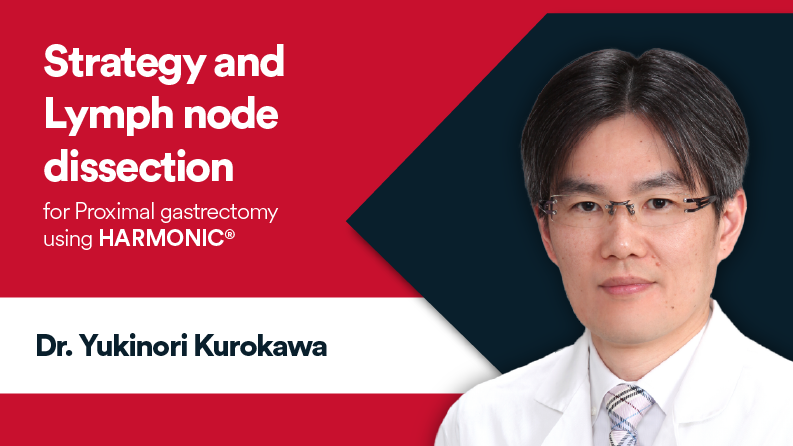
In this video, Dr. Kurokawa shares with us on three types of gastrectomy procedure to tackle proximal gastric cancer - (i) Total gastrectomy (TG), (ii) Proximal gastrectomy (PG) and (iii) Subtotal gastrectomy (sTG).
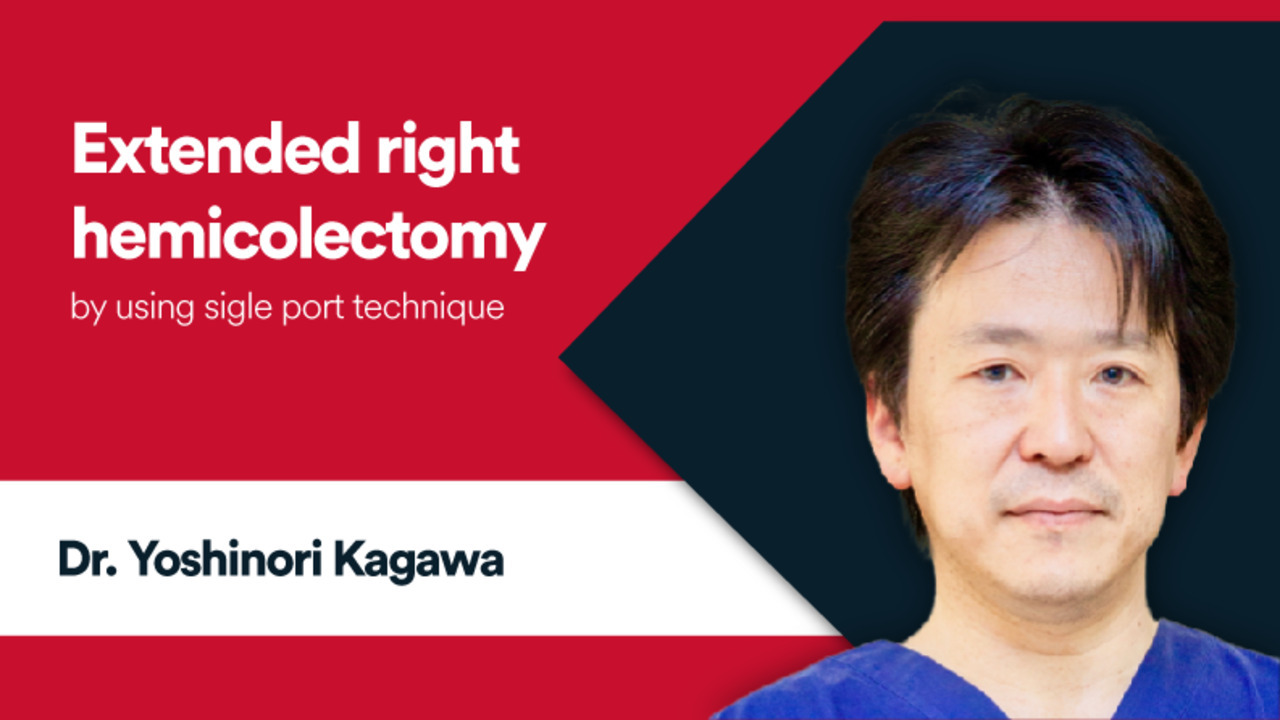
Discover the surgical strategy for colorectal cancer as well as the surgical anatomy for right hemicolectomy with Dr. Yoshinori Kagawa where he demonstrates the approach for mesentery of colon through his case study and surgical video for transverse colon cancer. You can expect to learn more on the Cranial Approach for Right Gastro-Epiploic Vein, Surgical Approach for Surgical trunk, Gastro-colic trunk, Right border of #223, Middle Colic Vein as well as the Retroperitoneal approach.
In this "virtual reality (VR) surgery observation" 360-degree video, audience can observe external images such as the positions of the surgeon, assistant, and scopist and hand movements from all angles, even more than actual on-site observation. The case presented is a laparoscopic low anterior resection for rectal cancer (RbP), and it includes perineal operations that cannot be imagined from just observing the intra-abdominal images.
Case: 65-year-old female with BMI of 21.0
Blood loss: 34ml
Postoperative course: No complications such as urinary obstruction, discharged on the 17th postoperative day.
This video is presented in Japanese
In this "virtual reality (VR) surgery observation" 360-degree video, audience can observe external images such as the positions of the surgeon, assistant, and scopist and hand movements from all angles, even more than actual on-site observation. The case presented is a laparoscopic low anterior resection for rectal cancer (RbP), and it includes perineal operations that cannot be imagined from just observing the intra-abdominal images.
Case: 65-year-old female with BMI of 21.0
Blood loss: 34ml
Postoperative course: No complications such as urinary obstruction, discharged on the 17th postoperative day.
This video is presented in Japanese
In this "virtual reality (VR) surgery observation" 360-degree video, audience can observe external images such as the positions of the surgeon, assistant, and scopist and hand movements from all angles, even more than actual on-site observation. The case presented is a laparoscopic low anterior resection for rectal cancer (RbP), and it includes perineal operations that cannot be imagined from just observing the intra-abdominal images.
Case: 65-year-old female with BMI of 21.0
Blood loss: 34ml
Postoperative course: No complications such as urinary obstruction, discharged on the 17th postoperative day.
This video is presented in Japanese